Power Equipment for Global Distribution & Renewable Energy Projects
DHDL manufactures transformers, high and low voltage distribution cabinets, prefabricated substations, energy storage cabinets and EV charging equipment for utility, industrial and new energy projects worldwide.
Built for distributors, EPC contractors, utilities, industrial parks, renewable energy developers and overseas power infrastructure projects.
Transformers
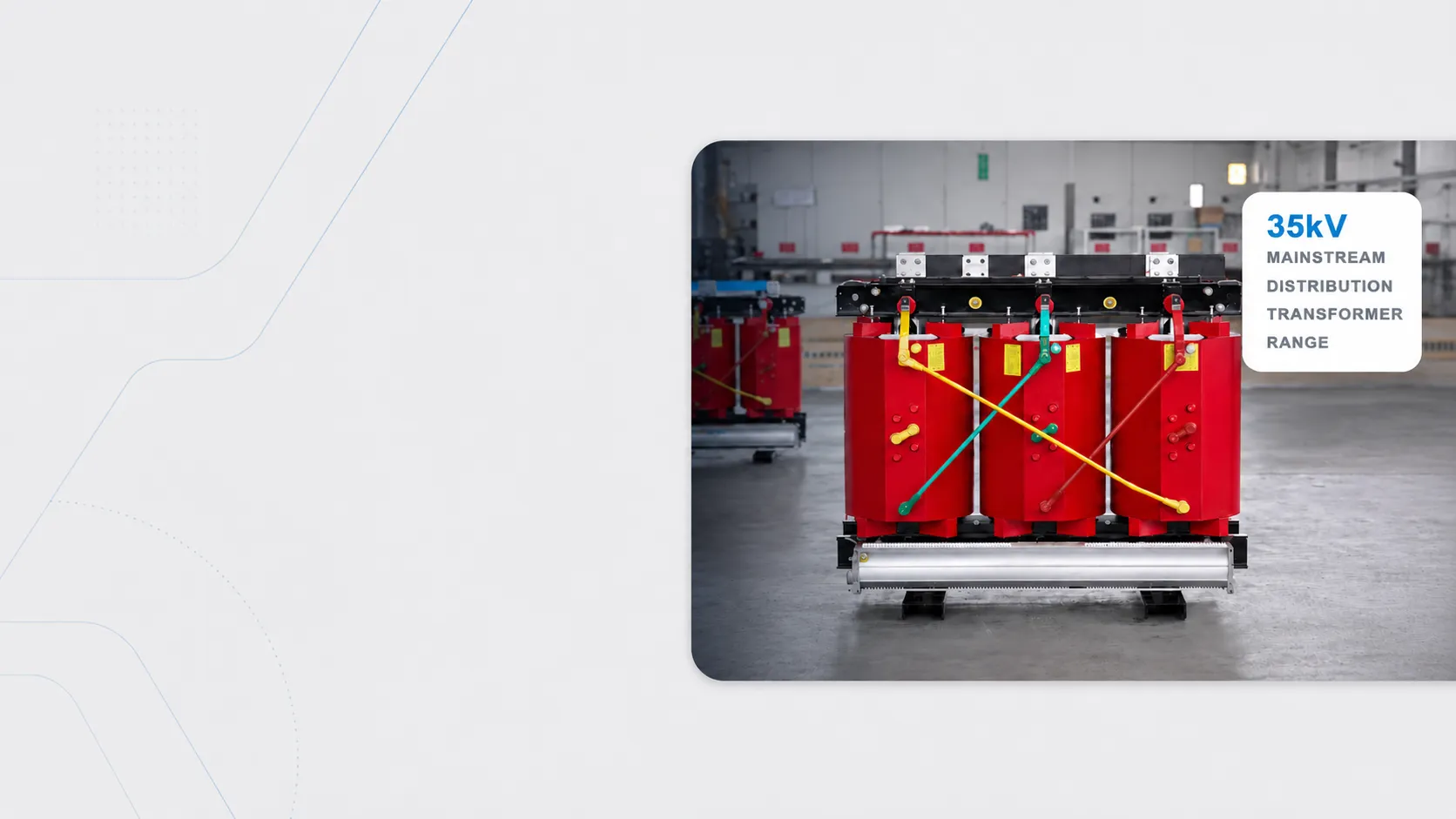
Dry-type, oil-immersed, distribution, and special transformers for power transmission, distribution networks, industrial facilities, and renewable energy projects.
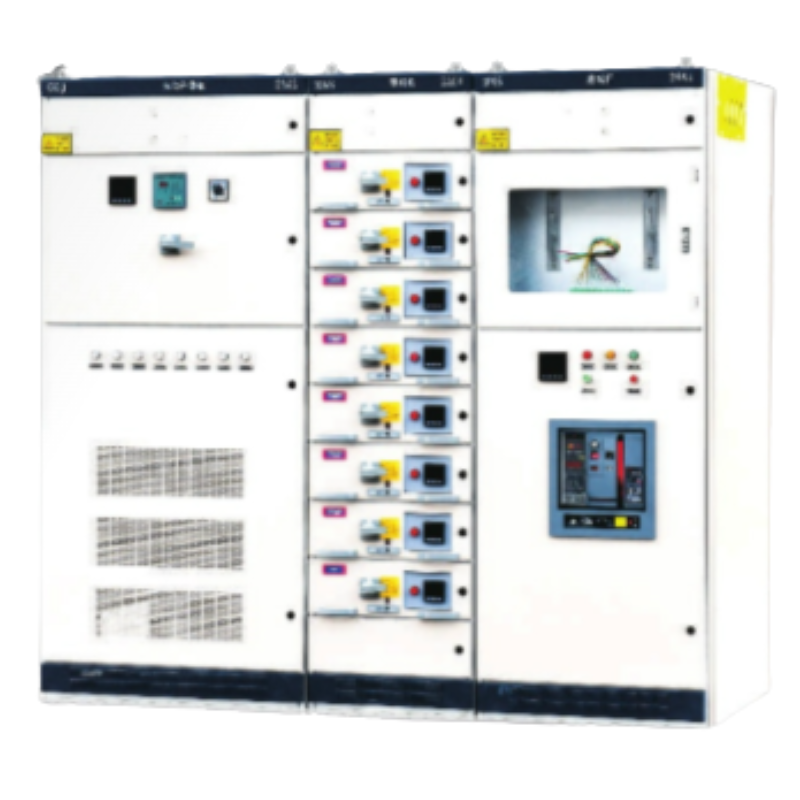
Low-voltage and medium-voltage distribution cabinets designed for power control, protection, metering, and reliable electrical distribution in industrial and commercial systems.
Integrated compact substation solutions combining transformers, switchgear, protection, and control units for outdoor power distribution and project-based deployment.
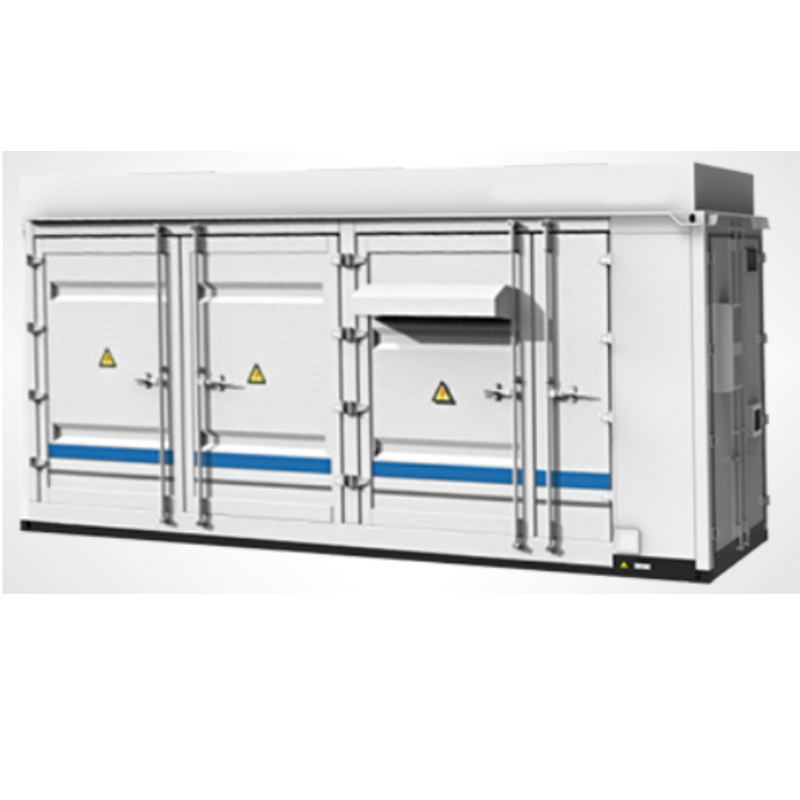
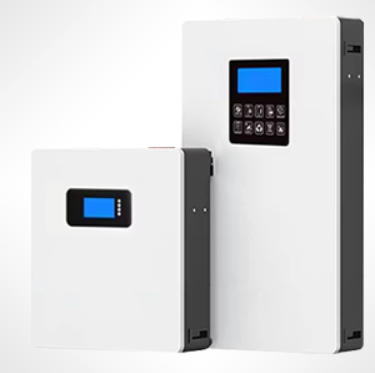
Air-cooled, liquid-cooled, wall-mounted, and containerized energy storage systems for commercial, industrial, solar, microgrid, and large-scale energy storage applications.
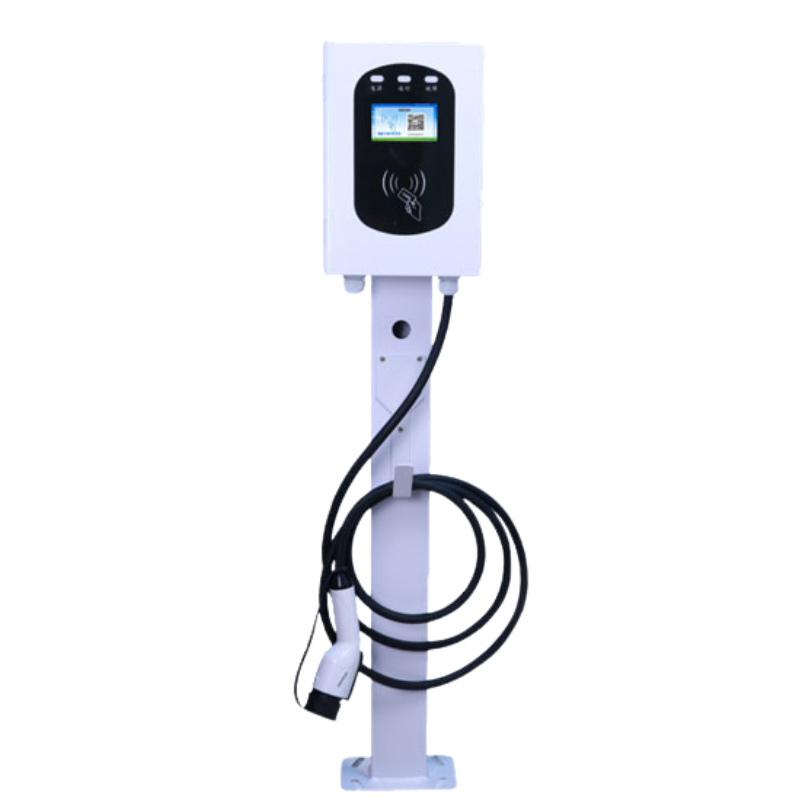
AC and DC EV charging solutions for residential communities, public parking areas, commercial charging stations, fleet charging sites, and EV infrastructure projects.
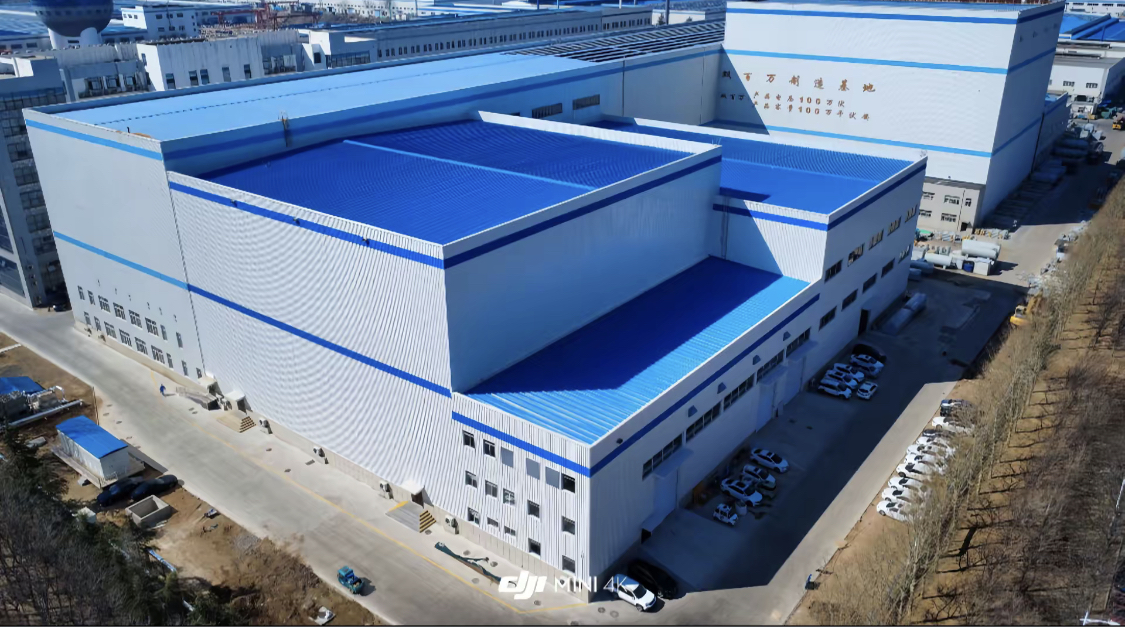
DHDL controls core manufacturing procedures from material preparation, winding, vacuum drying and assembly to routine testing, helping overseas buyers reduce quality fluctuation and delivery risk.
Core processes completed in-house for stable product consistency
Standardized production flow for batch orders and long-term supply
Custom voltage, frequency, winding material, logo and nameplate options
Export packaging, loading optimization and technical document support
10-35kV
Core Distribution Range
15-25D
Typical Lead Time
OEM
Brand Customization
100%
Routine Factory Tests
We Don’t Just Sell.We Engineer & Verify.
Long-term transformer reliability is decided by internal process control, not only by visible specifications. DHDL focuses on stable insulation, winding process, loss control, sealing and routine testing before shipment.
Iron Core Workshop
Enclosure Workshop
Magnet Wire Workshop
Testing Hall
— Quality Control
Long-term transformer reliability is decided by internal process control, not only by visible specifications. DHDL focuses on stable insulation, winding process, loss control, sealing and routine testing before shipment.
Incoming inspection for silicon steel, conductors and insulation materials
Process control covering core loss, winding, vacuum drying and assembly
Routine tests including ratio, DC resistance, insulation, withstand voltage and loss tests
Technical files, test reports, installation guidance and remote support after delivery
From hot African project sites to humid Southeast Asian environments and North American distribution requirements, DHDL can customize equipment based on standards, climate and operating scenario.
Standard Adaptation
IEC, ANSI and project-specific technical requirements.
Climate Design
High temperature, high humidity, dust, corrosion and outdoor conditions.
Custom Branding
Logo, color, nameplate language and OEM packaging options.
Export Coordination
FOB, CIF, CFR, EXW support and loading plan optimization.
IEC
International
ANSI
North America
50/60Hz
Frequency
Cu / Al
Winding
OEM / ODM
Cooperation
Cooperation
Trade Terms
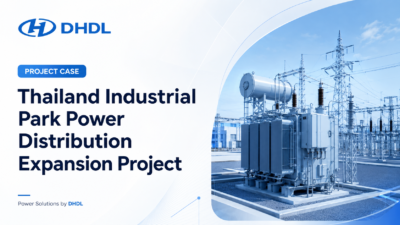
Thailand
8MVA Distribution Transformer Project
Industrial park power distribution project designed for high temperature & humidity operation.
Capacity: 8000kVA Voltage: 33kV Standard: IEC
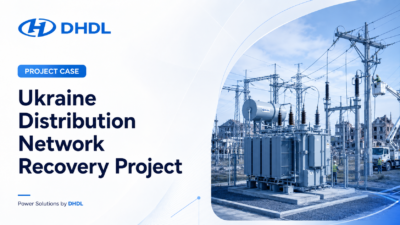
Ethiopia
20 × 3.15MVA Power Distribution Project
Batch supply for industrial and regional distribution systems in hot, dusty outdoor conditions.
Selected power distribution and transformer projects for industrial parks, infrastructure, grid upgrades and rural distribution networks.
Send Requirements
Ready to Build Your Power Project?
Tell us your capacity, voltage combination, frequency, standard, installation environment and quantity. Our team will help confirm the right transformer or complete power distribution solution.
Recommended information: kVA / MVA, HV & LV voltage, connection group, impedance, standard and application.For substations or switchgear: single-line diagram, IP rating, site conditions and project schedule.
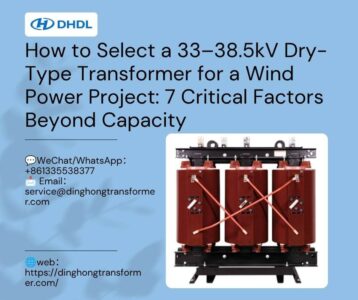
Learn how to select a 33–38.5kV dry-type transformer for wind power projects. Compare capacity, voltage, impedance, vector group, harmonics, cooling, environmental protection, and testing requirements.
FAQ
1. Is a dry-type transformer safer than an oil-immersed transformer?
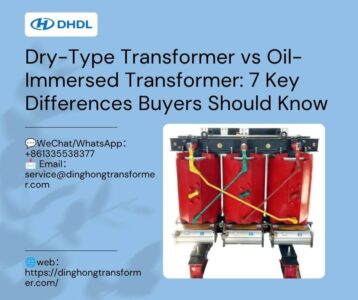
Dry-type transformers are often preferred for indoor and personnel-intensive locations because they do not use insulating oil. This reduces the risks of oil leakage and liquid fire. However, both transformer types can operate safely when properly selected, installed, and maintained.
2. Can a dry-type transformer be installed outdoors?
Yes. A dry-type transformer can be installed outdoors when it is equipped with a suitable weather-resistant enclosure. The design should consider rain, dust, condensation, corrosion, ventilation, and ambient temperature.
3. Can an oil-immersed transformer be installed indoors?
Yes, but the installation may require fire-resistant rooms, oil containment facilities, ventilation, fire separation, and compliance with local safety regulations.
4. Which transformer is more economical?
Oil-immersed transformers usually have a lower initial purchase price. Dry-type transformers may reduce fire protection, oil maintenance, and environmental management costs. Buyers should compare the total project cost rather than only the equipment price.
5. Does a dry-type transformer require maintenance?
Yes. Dry-type transformers require less maintenance than oil-immersed transformers, but they still need regular cleaning, temperature monitoring, connection inspection, insulation testing, and ventilation checks.
6. Which transformer is better for a data center?
Dry-type transformers are commonly selected for data centers because they provide oil-free operation, lower fire risk, convenient indoor installation, and reduced maintenance requirements.
7. What information is required for a transformer quotation?
Buyers should provide rated capacity, primary voltage, secondary voltage, frequency, vector group, impedance, winding material, installation environment, applicable standard, quantity, and required delivery time.

6-20KV-2.png)